
Video game discourse grab bag: The Game Awards 2025, Expedition 33, and Silksong

As a neurotic indie game developer who looks at social media too much, I often have thoughts rattling around in my head about the discourse of the day. I rarely feel the drive to turn these thoughts into any sort of fleshed out thesis in a blog post, but sometimes a subject requires enough nuance and elaboration that dumping it out onto a site like Bluesky where my thoughts can be misinterpreted and taken out of context 300 characters at a time is a bad idea.
So instead, here's something new I'm gonna try: dumping a bunch of thoughts on the state of my creative field into one grab bag blog post that's basically just multiple smaller blog posts chained together.
Much of this was inspired by the 2025 Game Awards last month. So let's start there.
The Game Awards
Ah, the Game Awards. We all know they're a joke. The tendency to rattle off half of the awards unceremoniously so that they have more time for Game Pass ads and trailers for Hoyoverse knockoff crap and mid-tier Souls clones that people will forget about as soon as the show ends. The obsession with validating games as an art form via an association with Hollywood, whether it's the disinterested celebrity guest presenters, promotions for new live action film and TV adaptations of games, or simply the emphasis on the AAA games that are trying their hardest to resemble movies. The obvious struggle to pronounce Japanese words and names correctly, most infamously this year when Umamusume won best mobile game and the presenter said the title wrong three times. The fact that even the categories specifically for indie games are weighted so heavily in favor of the most expensive-looking games backed by the most publisher money. The ever-insulting "Games for Impact" category that's just the consolation prize for indie games about people of color, queer characters, and/or mental health struggles that aren't deemed worthy of inclusion in the larger categories.
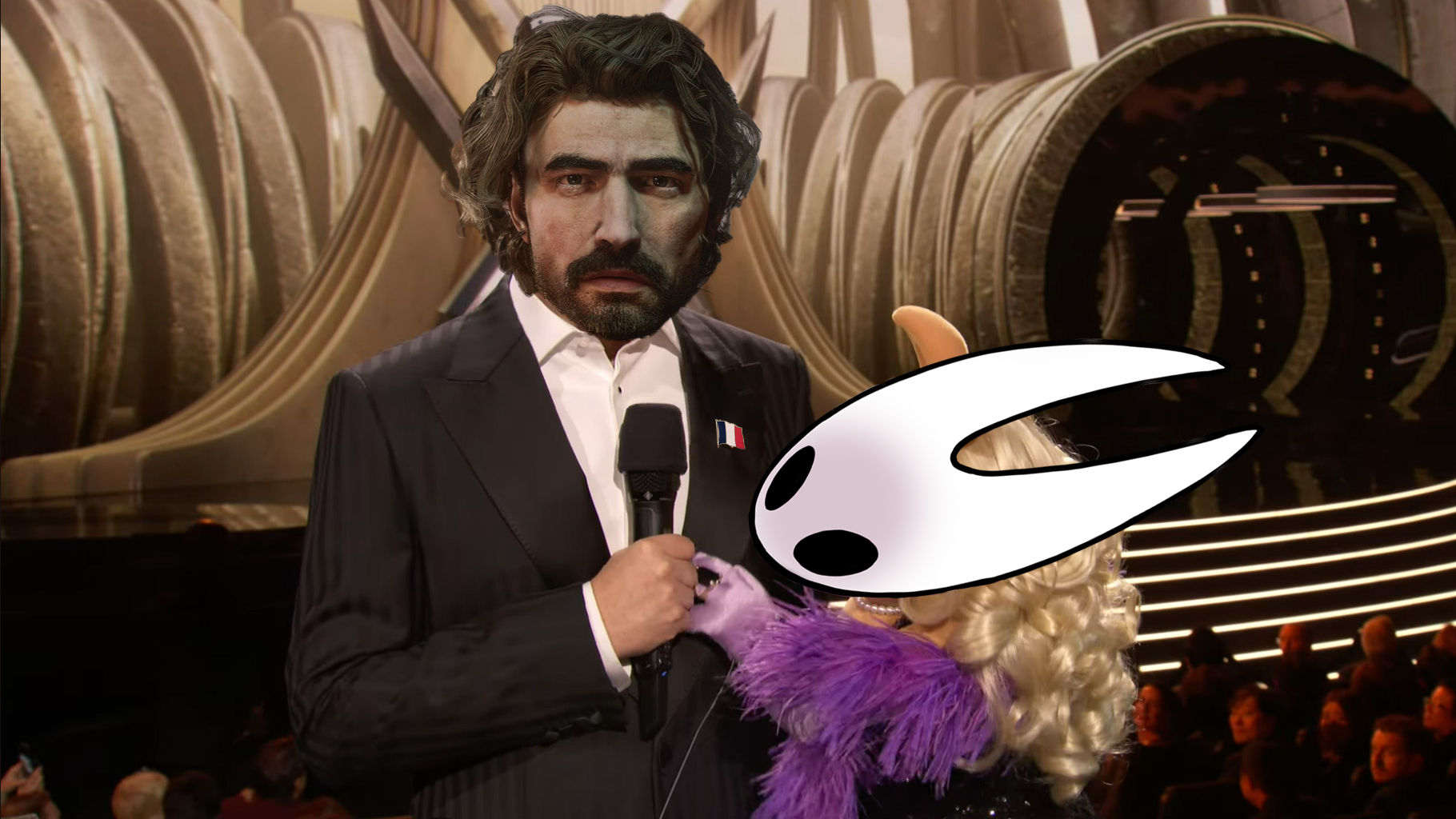
And of course there's the host himself, the dead-eyed husk of a man that is Geoff Keighley, rivaled in his vacuousness only by Mr. Beast. The game industry's #1 starfucker who's here to tell us about how the industry is doing great because the games are so good, even as people continue to lose their jobs left and right and the people who remain struggle to gain basic labor protections. This time he did open with an uncharacteristically candid story about how in 2025 his house burned down in the LA fires and he lost his dad, to remind us that he really is still a real human being with feelings. Less than ten minutes later he would go on to do a skit where Miss Piggy implies that they fucked in Bora Bora. Geoff was sure to remind us that his mother was watching this in the audience.
These same problems crop up every year. Well, maybe not the part about Geoff fucking Miss Piggy, but all the other stuff. But we don't have E3 anymore, so Keighley gets to do an extremely padded E3 press conference where they might announce Half-Life 3 or something (or the twelfth mainline Mega Man game, just for me), and also there are some awards tacked on.
People often assume that the awards are rigged, perhaps claiming that publishers are buying awards outright. The truth is much more mundane. The Game Awards are mostly voted on by game journalists at outlets around the world. We already know what they like. We've seen their reviews. And when you average all of their opinions together, the results are inherently going to be boring and look a whole lot like the yearly rankings on Metacritic. The handful of hits with the highest Metascores are usually going to dominate most categories, because those are the games that the most jurors played and thought to vote for, as opposed to the underdog oddities with little press coverage that would actually benefit from the spotlight. (Not that opening the voting up to the public would turn out any better, as evidenced by the multiple times the Players' Voice award has gone to gacha games.)
There are often discussions around the event about how we could "fix" The Game Awards. I understand the compulsion, but I think this is a pointless thought exercise. The Game Awards are exactly what Geoff wants them to be. To make a better show that actually respects the people who make games and the breadth and depth of the medium beyond the popular AAA stuff and one or two breakout indie hits every year would require a complete overhaul of the show. The categories, the selection and voting process, the format of the show itself, everything would have to change. But that would mean cutting out all those lucrative trailers and ads that companies pay hundreds of thousands or even millions of dollars for, and at least 80% of the audience would stop watching if it was just an awards show with no reveals. It would also help if the awards show celebrating the games released in a given year was actually held after the end of the year, giving November and December releases a chance and giving jurors more time to catch up on games they might have missed from earlier in the year. You know, like how they don't hold the Oscars until March? But the awards part of the Game Awards is mostly a promotional event for the holiday sale season, so that'll never happen.
At the end of the day, rather than hoping for The Game Awards to improve, it's a far better use of your time to simply look elsewhere. There are other, better awards shows like the DICE Awards, the BAFTA Game Awards, the IGF Awards (this year's nominees just came out and the list is full of great picks), the Indie Game Awards, the GDC Awards, and so on and so forth. But I think the actual best thing is to simply follow individual people who you think have good thoughts on video games and see what they say they liked at the end of the year. Individual journalists, opinionated devs, bloggers, streamers, whoever. At least look at smaller outlets with distinct editorial voices. I don't need an awards show to tell me that the game everyone already said was good is good. It means much more to me to hear one person with weird taste explain why a game barely anyone else played altered their brain chemistry.
But as long as The Game Awards exist, so will viewers who take the awards too seriously.
The Game Awards jury loves a narrative
The game that swept The Game Awards this year (along with many other GOTY awards) was, of course, Clair Obscur: Expedition 33. Let's be real: everyone should have seen this coming. It got rave reviews and sold like gangbusters, but more importantly its win creates the right kind of narrative, which seems to be increasingly important for the jury in recent years.
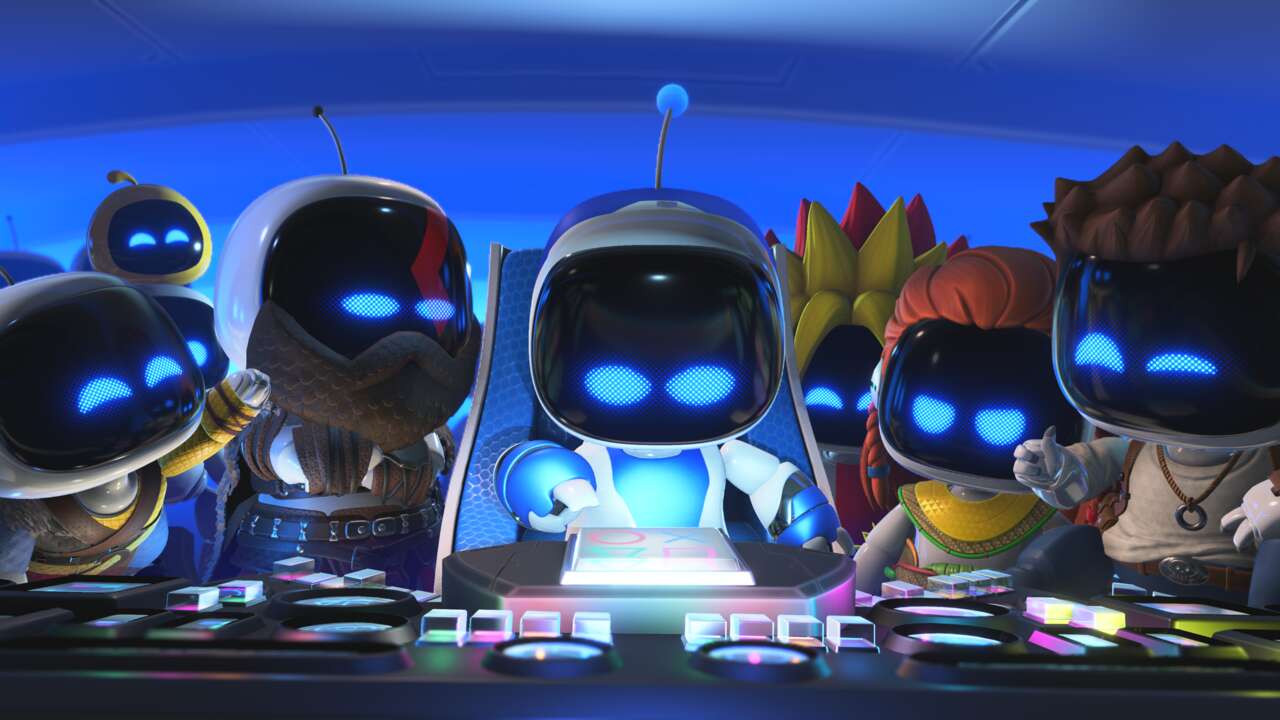
Astro Bot won in 2024 not just because it was a great game (and it was!), but more because its success created a narrative about the PlayStation brand reclaiming some sort of lost innocence. The moderate scope, the huge roster of cameos from classic PlayStation characters, the focus on pure, simple platforming fun over cinematic drama. It was held up as proof that Sony can still make those types of games, that they haven't forgotten their legacy, and therefore everything will be okay. Sure, Sony closed Japan Studio four years ago, but they can still make a game that references Japan Studio games, so everything's fine. The year before that, Baldur's Gate 3 won not just because it was a great game (and, again: it was!), but because its success created a narrative about how traditional computer RPGs with tabletop-inspired mechanics and an emphasis on player agency are back in a big way and that mainstream audiences are finally ready for them.
Of course, anyone paying attention realizes that 3D platformers and tabletop-inspired CRPGs never actually stopped being made. But they had become more niche. They were budget releases and the work of indie studios, rather than being dominant forces in the AAA space pushing 4K graphical fidelity. So the standout successes of these two games can be framed as some kind of grand comeback, a return to form for the industry, proof that we haven't lost our way and that there's still hope in spite of all the turmoil. How bad can things truly be if we've still got bangers like Astro Bot?
And so, it was inevitable that Clair Obscur: Expedition 33 would win in this same vein. It's a good game that a lot of people loved, yes, but more importantly it creates a similar narrative. For one, it was positioned in the discourse as a long overdue return to form for the turn-based Japanese-style console RPG. Just like 3D platformers and old school computer RPGs, turn-based JRPGs never really went anywhere—Atlus's Metaphor: ReFantazio was literally nominated for GOTY at the Geoffreys last year—but we haven't gotten a new turn-based Final Fantasy in over a decade, and the other ones being made aren't pushing for high end graphical realism, so to a lot of people all those other games coming out in the genre might as well not exist.
Perhaps more significantly, Expedition 33 is also a game from a smaller studio that looks and sounds like one from a bigger studio. It proves that even an "indie" team (by at least one definition of the word—sorry, but some ex-Ubisoft guys starting a new studio with enough connections to score a Hollywood film deal before their first game was even out really stretches the limits of "indie" for me) can make a game that looks and sounds and feels like a AAA production, with realistic-looking human characters played by Hollywood actors, a sweeping orchestral score, and a big dramatic story spanning dozens of hours of gameplay. It proves that we can have a more sustainable industry without having to branch out and play games outside of the prestige AAA aesthetic box. Because who'd want to do that?
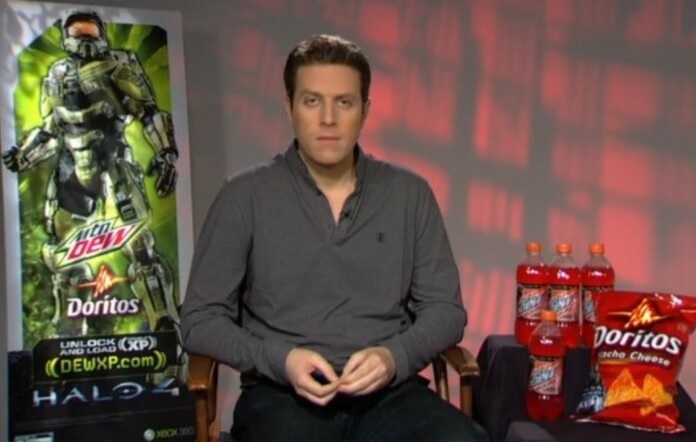
It was basically guaranteed to win big this year. It was that or Silksong, and Expedition 33 has the better underdog narrative as the surprise hit that came out of nowhere. It's whatever. Regardless of your feelings on the game, The Game Awards are not a serious ceremony. We're talking about a show that nominated Fallout 4 for GOTY in 2015 but not Undertale. It's a joke. The picks say more about The Game Awards than what games are worth celebrating. But people do take them seriously for some reason, and so now arguments over how Expedition 33 swept the awards show hosted by the Doritos Pope have become yet another bit of discourse to overshadow the actual game itself.
It feels like we tend to talk about Expedition 33 without actually talking about Expedition 33
I played through the first few hours of Clair Obscur: Expedition 33 shortly after its release. I definitely thought it was good, though I had some nitpicks that kept me from truly falling in love with it, which was one of several reasons why I have yet to play the rest.
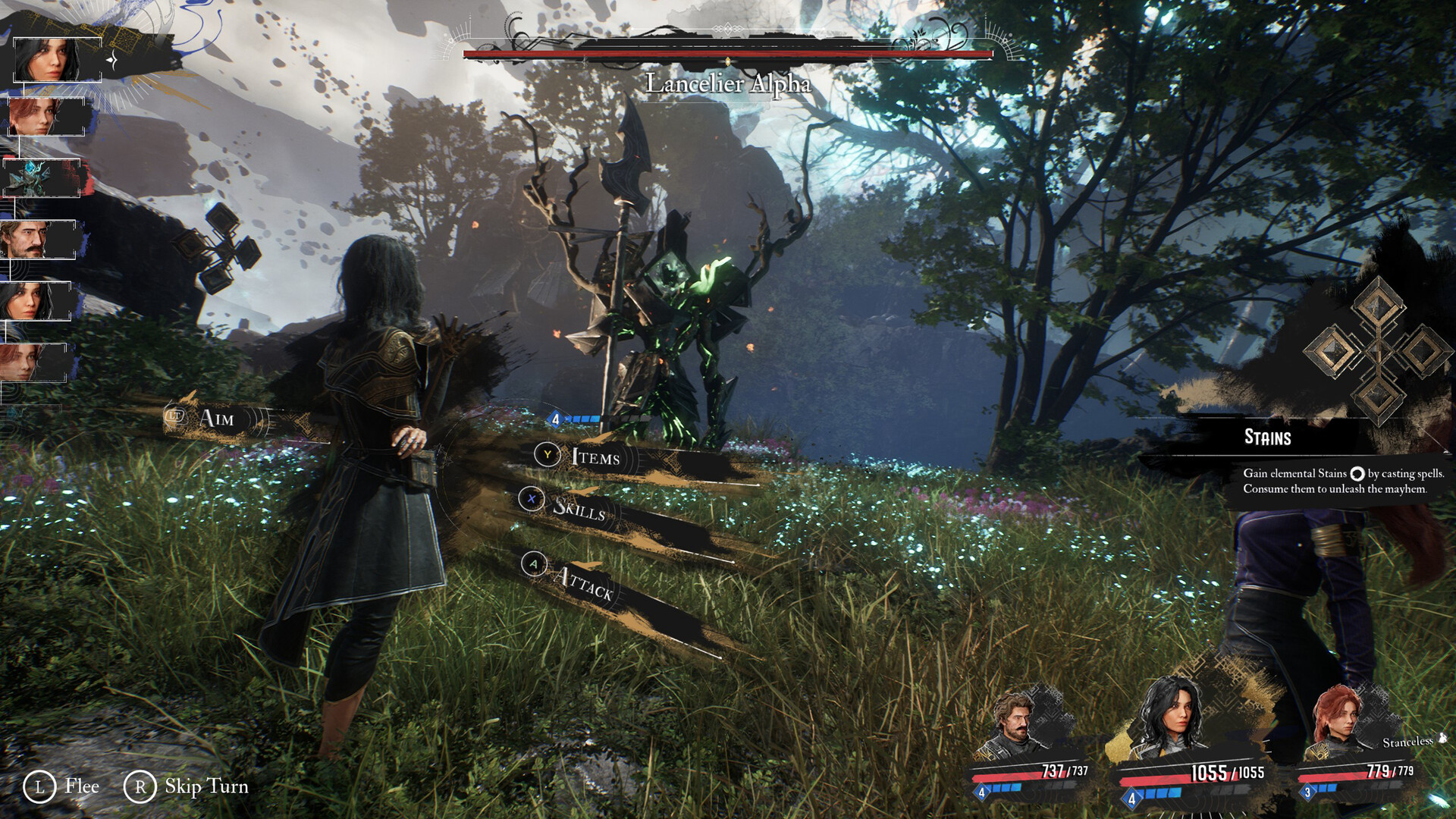
For one, the game's visuals left something to be desired for me. I do think it's a good-looking game, full of striking dream-like vistas and fun creature designs, but it's... well, there's the Unreal Engine of it all. Sandfall was able to create a game with this level of fidelity in spite of their comparatively small dev team because they could rely so heavily on stock background assets. Lots of generic trees and rocks and whatnot. And while this has become the norm for many games, I feel like it's a little more obvious than usual here. Many areas feel like stock assets slapped together to create a surreal collage of objects. And that can be a cool look, but when combined with the typical Unreal post processing stuff that makes things look muddy and blurry, it can be a bit of an ugly game up close. If you've played a few Unreal demos made by one or two people trying to match AAA realism, you know the look.
The human character models also have a slight jank to them that unfortunately takes me out of the story sometimes. Everyone is firmly in the uncanny valley, somehow simultaneously very pretty and kind of ugly with facial animations that sometimes don't quite look right. The English dub over the original French performances no doubt contributes to this disconnect, but I think the uncanny look is mostly due to the fact that the team relied on Unreal's built-in character creator to create its human cast. These are by no means dealbreakers, and they're understandable shortcuts for a smaller team to take, but there's a reason why smaller teams with these restrictions tend to go for more stylized visuals rather than photorealism. I probably could've gotten used to this slight visual jank if I stuck with it longer, I suppose.
The bigger problem than the art direction for me, at the time, was that I just couldn't click with Expedition 33's combat. It's not bad at all, but it has an extreme emphasis on its timed attack, dodge, and parry inputs, with enemies very quickly developing odd animation timings like a late game Punch-Out!! opponent to try and throw you off. While I love the Mario RPGs dearly, I do feel like devs making classic JRPG throwbacks outside of Japan almost always have the same idea of "say, I know how to make these turn-based battles more interesting: Mario action commands!", and it can get a bit old. I like regular old turn-based battles, too! I don't think they're boring at all! I don't think they inherently need to be "fixed" by injecting them with reflex tests where you hit the confirm button at the right time to deal extra damage or dodge an attack. In this game in particular it felt to me like the timing element was so important to your success in battle that none of the character building elements mattered as much as just learning how to hit the fucking parries. If you're into that, cool, but personally I'm not really looking for Sekiro parries in my turn-based RPGs, and if the goal was to evoke stuff like classic Final Fantasy then this works against that goal. It just didn't quite click for me.
While the game immediately got a huge amount of glowing praise calling it a masterpiece and one of the greatest RPGs ever made, I was hoping that this would eventually be balanced with a bit more critique mirroring some of my thoughts here as well. Yeah, it's good. I'm glad the story connected with people, because it seemed pretty cool from what I played. The soundtrack rules. But going on Backloggd and seeing it rated as one of the top ten greatest games of all time, ahead of every turn-based JRPG ever made, made me feel like I was crazy for just thinking it was just pretty good.
But instead, Expedition 33's fate in the wider conversation has seemingly been to become more of an abstract object of discourse than a game, the latest lightning rod for half a dozen different cyclical indie game and RPG discourses. And now, to many people, it's the game everyone's stick of hearing about because it's sweeping all these end-of-year awards.
But now let's talk about Expedition 33's main competition for Game of the Year, the other game that loomed large in the conversation this year.
The lessons that can be learned from Silksong
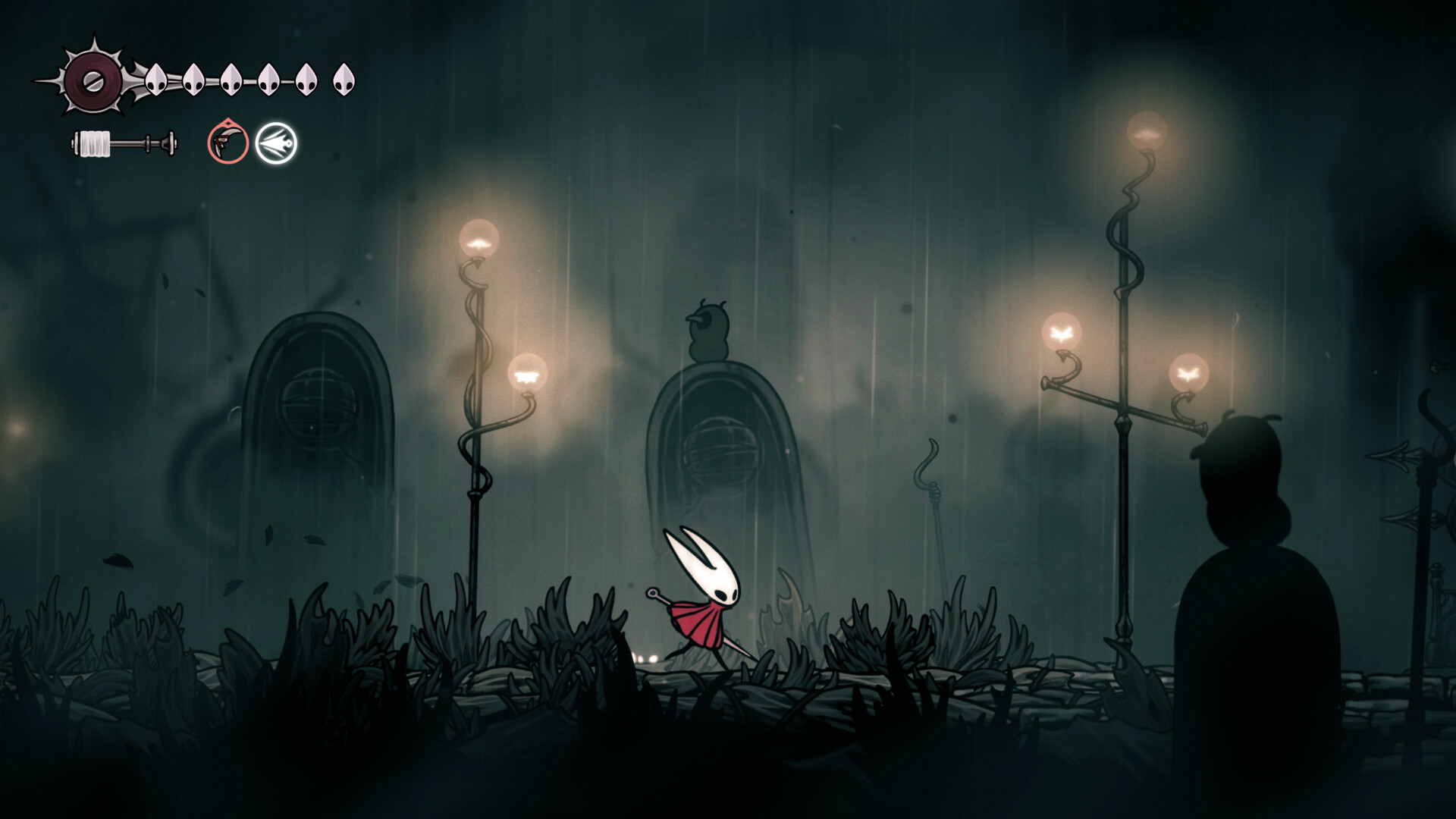
Hollow Knight: Silksong finally dropped in 2025 to rave reviews and astronomical sales, with over 7 million copies sold in its first three months. That number's probably even higher now after the end-of-year awards and the holiday sales. Some have wondered if this means that players are ready for more friction-heavy games with strong, uncompromising visions that aren't afraid to alienate some players in the name of creating a unique experience. And look, I'd love it if that was true. I was one of the people calling the archaic Barbuta one of the best games in UFO 50. But, well, call me cynical, but I'm hesitant to jump to that conclusion. Silksong's success is a very, very special case.
Hollow Knight was a sleeper hit that slowly gained popularity over the course of its first year thanks in part to a steady drip feed of free expansions, and then it got a big second wave of attention when it finally hit consoles in 2018. Its extremely polished creepy-cute art style made it broadly appealing, as did its $15 price tag. Its similarities to the increasingly popular Souls games meant that it tided many fans of those games over post-Dark Souls III and there was already a blueprint for an obsessive fandom, with streamers raging at the hardest parts of the game and YouTube channels springing up to make VaatiVidya-style lore explainer videos. In 2019 it was announced that Hollow Knight's upcoming expansion Silksong would be spun off into a full-fledged sequel, and then Team Cherry mostly went radio silent about it for years. This is when things really went crazy. Fans turned Silksong into an object of myth and memes only rivaled in the gaming discourse by the likes of Half-Life 3. The hype and the fact that people would spam "where's Silksong?" during every industry event became a memetic marketing campaign. The skongposting funneled attention back towards the original game, and then new players would see how good Hollow Knight was and hitch a ride on the Silksong hype train. It was a perpetual motion machine of hype the likes of which we may never see again. And in the end, fans put their money where their mouths were—so many people rushed to buy it the second it launched that it crashed Steam and the Switch eShop.
This hype meant that the response to Silksong was unique in several regards.
For one, even though players were somewhat "polarized" on Silksong's higher level of difficulty and friction compared to the somewhat more approachable Hollow Knight, its mythical hype and instant best seller status meant that it still had a huge sample size of players giving it a shot and potentially coming away liking it. Even if we say that it managed to alienate half the audience and players were 50/50 on loving or hating it—which is way worse than the 93% positive rating on Steam implies, but let's just say 50/50 as a hypothetical—that would still leave us with millions of people who would go to bat for it. Which in turn meant more people who might have otherwise skipped it would see those millions of people having a good time and give it a shot. It was never in any danger of getting a mixed or negative review average on Steam in its first week and getting buried by the algorithm forever.
I also firmly believe that the pre-established hype that dominated gaming discussions for years before anyone had even played the game meant that players were more willing than usual to meet the game in the middle. People had spent years saying that Team Cherry were brilliant auteurs, combing over every pixel of Hollow Knight to analyze their every little design decision and figure out what it all means for the Lore, and speculating that Silksong was going to be the new Greatest Game Ever Made. When you've already agreed to see the devs as geniuses, you're more willing to read intentionality into every design decision. Yes, that one part in the game might annoy you, but that doesn't mean its inclusion was a mistake on the devs' part. What might be the intent behind including it? What does it contribute to the whole? What is it saying? What kind of texture does it add? What does it mean?
I'm all for approaching games holistically like this, so I'm not complaining about that here. (Well, okay, I will complain about people who just wanted to weaponize their holistic readings to belittle anyone who wasn't enjoying Silksong as much as them and say anyone frustrated by a boss runback just hates free artistic expression. This made things extremely annoying online for a couple weeks last year.) The problem is that it feels so rare for games other than Silksong to be treated like this at a wide scale beyond a small handful of thoughtful games writers. I worry we're not seeing some massive shift in perspective on game design, so much as people went in wanting this to be the best game ever and wanting to see the vision after spending years forming a parasocial obsession with the devs. This perception was so extreme that when the first minor Silksong balance adjustment patch dropped I saw some players bemoaning it as Team Cherry self-censoring and compromising on their beautiful unfiltered artistic vision.
But other games with unconventional design decisions or even modest amounts of friction come out and flop all the time in the indie scene when people don't want to see the vision, even including games from well liked devs that got a decent amount of coverage before release. The Sonic Mania team gave us Penny's Big Breakaway, a gorgeously stylized 3D platformer that completely kicks ass, but it had a mildly unconventional control scheme that took a little bit to get used to and some of the bosses were kinda hard and it didn't play exactly like Sonic, so people gave it middling reviews, word of mouth died quickly, and it underperformed. Keita Takahashi gave us To a T, an off-beat but heartfelt narrative adventure game about a kid stuck in a T-pose, but because it was hard to fit into an established genre box it flopped and Takahashi had to move back to Japan. How about Stray Children, the spiritual sequel to Moon: Remix RPG Adventure—you know, the cult classic that Toby Fox has hyped up as one of the main inspirations for Undertale—that came out this year and is only sitting at 152 total reviews on Steam with only a 79% positive rating due in large part to its high level of friction. Much like Silksong, that friction is entirely intentional, a key part of the experience that the devs wanted to create, but without the massive hype train it failed to find much of an audience. Silksong wasn't even the only ultra-hard Metroidvania this year! Zexion is out there sitting at only 250 reviews on Steam! And these are just a few examples of notable games off the top of my head. The list goes on and on.
In other words, I worry that players aren't suddenly hungry for unique, obtuse, and/or friction-heavy games that break from modern conventions. I think they were mostly just hungry for Silksong, and Silksong happens to have ended up being an obtuse, friction-heavy game.
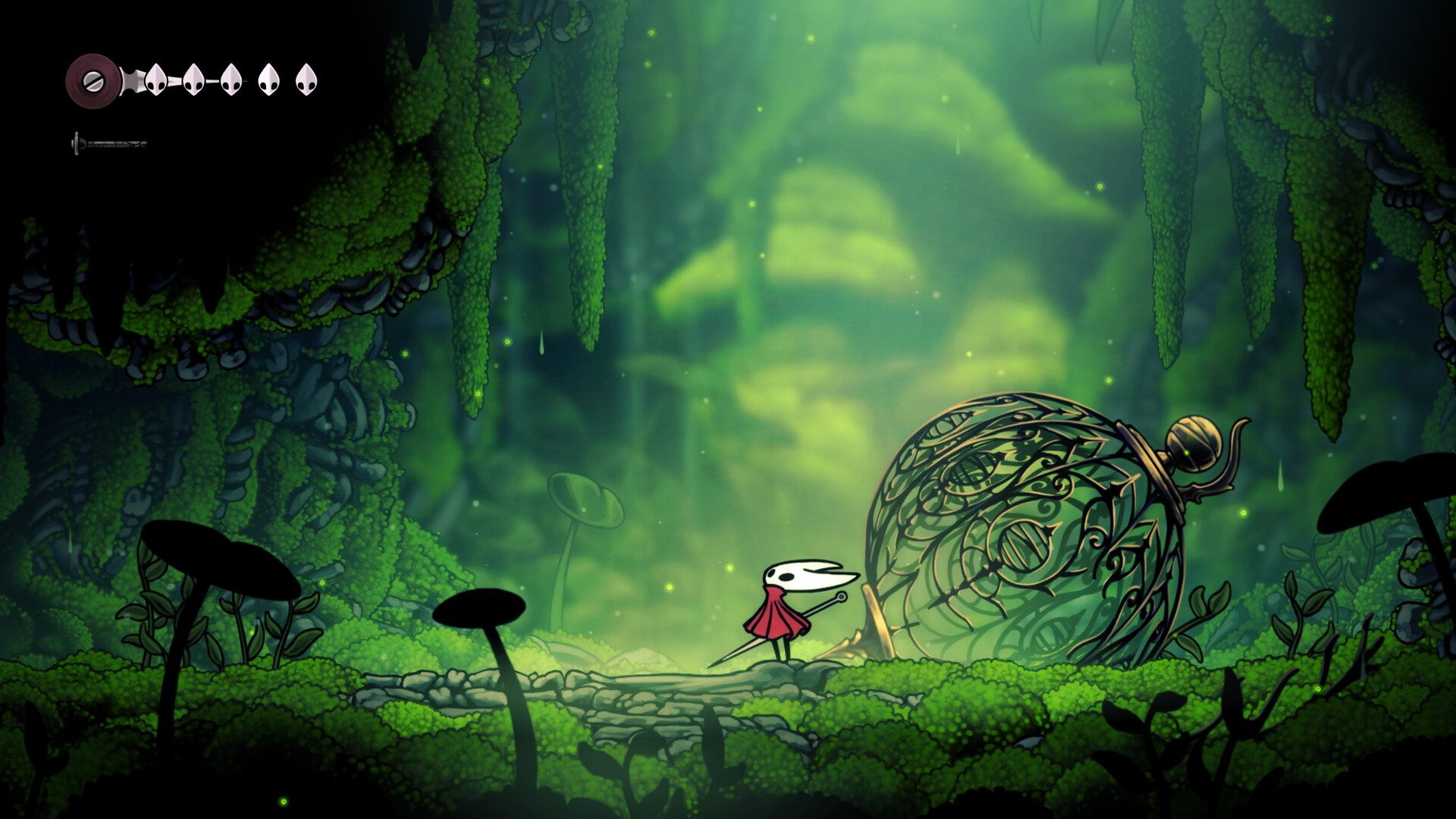
(Actually, I'd argue that Silksong isn't even particularly unconventional, as an entry in the mega-popular Metroidvania genre that also has a ton of overlap with the mega-popular Soulslike scene. Yes, it's harder than Hollow Knight's base game and it messes with your muscle memory because the pogo angle is different, but Souls fans love highly punishing games that kick their asses a million times. That's part of the sales pitch. And if anything I think Silksong's much more linear first act feels like a concession to the players who got lost early on in Hollow Knight and dropped the game, a reduction in the particular type of friction that I found so engaging in the first game. But I digress.)
People wonder why there don't seem to be more games out there taking big risks. Why so many popular games seem to be sanding away their friction, holding the player's hand, adopting the same control schemes, tacking on trendy mechanics, converging towards a generic average. Why does everything seem to be either an AAA open world game or an indie roguelite where you pick one of three randomized upgrades these days? Recently, I've seen "YouTube video essayists" pointed to as a scapegoat, with posters claiming that game devs are just listening to too many criticisms and game design truisms from some unspecified YouTubers who I guess hate friction and difficulty and older games and anything weird. This is, of course, absurd. YouTubers are not holding devs at gunpoint, and criticism is not the enemy of art even when some critics are stupid and have bad takes, and games that chase trends for mass appeal have existed since the dawn of the medium when people were making Pong clones, and there are plenty of devs taking risks out there, especially in the indie scene.
But when indie devs take these risks and then people don't show up to buy their weird games, the result is often having to entirely rethink your career at best or financial ruin at worst. When making games is your job, that job has to pay the bills. So devs often choose to play it a little safe so that they can hopefully at least survive long enough to make a second game. You have to balance what you want to make with what people will actually show up to buy and leave a positive review on. Keita Takahashi used to hate working on sequels and left Bandai Namco so that he could work on original ideas as an indie dev, but since that didn't work out as well as he'd hoped he's now vocally wishing he could just go back to making Katamari sequels. The AAA industry just has these problems at a larger scale: individual devs would love to get more creative, to take more risks, but games are increasingly expensive to make, and higher ups don't want to risk their profits. So we mostly see AAA games designed to please as many people as possible by emulating other popular AAA games so that they can make their money back. When we do get interesting experiments, these days they seem to mostly be rewarded with studio closures.
Now, in case it wasn't obvious, I'm not saying that devs shouldn't take risks. That would be absurd of me when my claim to fame is an RPG Maker game about lesbian furries with glitch art dungeons. No market research done in the early 2010s when I started work on the project would have ever encouraged this. No market research into the huge "cozy games" scene of the 2020s that my game is sometimes associated with due to its art style would have told me to keep the scenes where Melody has severe emotional breakdowns. The queer furry stuff tends to alienate the retro RPG fans, the "RPG Maker Fandom" as it were overwhelmingly prefers horror games, and queer furries who would otherwise like the story often assume they can't enjoy turn-based combat and don't even give it a chance. There are a million other things I could've made that could've appealed to a wider audience, that would've gotten me fewer angry troll comments on my Steam forums than a game about a fat transgender fox with a personality disorder. I occasionally got incredulous comments wondering why anyone would even make a game like that with such a niche appeal. But that's the thing I wanted to make, so I took that risk on my dream game. I won't pretend I wasn't stressed out of my mind worrying how it would do, but in the end people showed up to actually buy it and it did okay.
But that was all a total gamble, and I ended up being one of the lucky ones. I can afford to keep making my niche queer furry games because my game has sold 50,000 copies over three years across Steam, itch, and the Humble Bundle we were in, which might not be a huge hit compared to something like Silksong but still probably puts me in the top percentile of indie devs. How many people out there have done what I did and put out great games and still failed? If SLARPG had only sold 100 copies, I would've had to stop making games for a living. So then is it any wonder that devs will often play things a little safe and try to avoid alienating players and tanking their Steam rankings, rather than gambling with their housing and healthcare? (If you even have insurance—I sure as fuck don't.) Especially at a time like this when the economy is in shambles and game dev work is getting harder and harder to find. Artistic integrity is great and all, but you can't eat artistic integrity. I wish things were different, but this is the reality of the job for many people.
As pixel artist Franek Nowotniak put it after the release of the unconventional Western-themed strategy game Arco last year: "'Make. New. Stuff.' is fun advice until you have to sell your game without a target audience and you got rent to pay. We made something new. Our game has been well rated by critics and players but it sold badly. We'd get more sales copying an already well established genre. Still, you have to make new stuff. As soon as you stop making new things the work stops being creative. Either way, my next project will def be more focused on 'Does this sell' coz making under minimum wage is embarrassing. Even if it means you get to make games."
Team Cherry, of course, didn't have to worry about any of this. Even if everyone ended up hating Silksong and it flopped, they already had a massive safety net from the sales of Hollow Knight and all of its merch. They could afford to spend seven years making an intricately crafted maximalist Metroidvania that might piss off their entire audience and fail miserably. They could probably release multiple self-indulgent flops in a row and still be completely fine! There are precious few other indie devs who could even dream of doing that.
Anyway TL;DR this is why we need UBI and universal healthcare so everyone isn't perpetually one flop away from financial ruin and more people can afford to make their weird dream games without having to worry about whether or not they'll have mass appeal. I'm sure I'm just stressing about this sort of thing even more than usual because I'm in preproduction on my next game and I have to worry about if anyone will buy it several years down the road when it's done. Wouldn't it be nice if I could afford health insurance?
I guess the throughline for all this is that there are a lot of great and interesting games coming out all the time and taking interesting risks that will never win a Game Award, sell a million copies, or become the viral indie hit of the week that you feel obligated to check out to be a part of the conversation. But these games are no less worthy of your time than anything else. You've just gotta be willing to explore what's out there, to take a chance on a game you might not love, and when you do find something you love, vocalize it. Leave a review. Tell your friends about it. If you really want people to "make weird art!", as so many social media posts have declared, you've gotta show up and support the artists actually doing so. Because people like Geoff Keighley sure as fuck aren't gonna do it.